
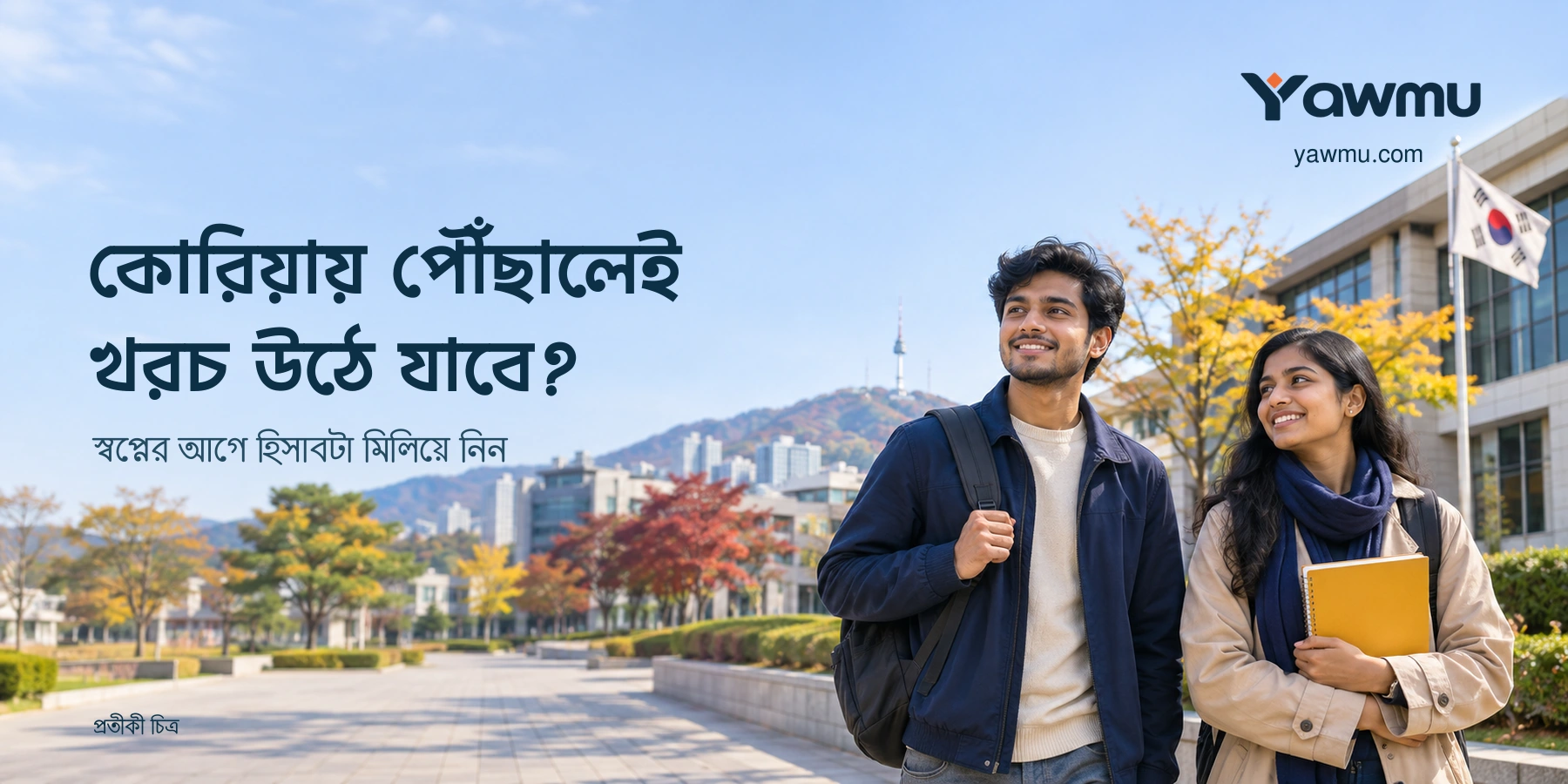
দক্ষিণ কোরিয়ায় পৌঁছেই একটা কাজ জোগাড় করে ফেলবেন, তারপর সেই আয়েই টিউশন ফি আর থাকা-খাওয়া চলে যাবে—এমন হিসাব করে এগোচ্ছেন? সিদ্ধান্ত নেওয়ার আগে একটু থামুন। ভর্তি পাওয়া, কাজের অনুমতি পাওয়া এবং কাজ পাওয়া—তিনটি আলাদা বিষয়।
প্রথম আলোয় ১৭ নভেম্বর প্রকাশিত একটি অভিজ্ঞতাভিত্তিক লেখায় কোরিয়ান ভাষা শেখা, পড়াশোনায় মনোযোগ রাখা এবং কাজের বাস্তবতা বোঝার ওপর জোর দেওয়া হয়েছে। লেখক সায়েখ আল হাসান বুশানে থাকার অভিজ্ঞতা তুলে ধরেছেন। এটি কোনো নতুন সরকারি বৃত্তি বা ভিসা ঘোষণা নয়।
সরকারি Study in Korea পোর্টালের তথ্যও বলছে, বিদেশি শিক্ষার্থীর কাজের ক্ষেত্রে শর্ত ও অনুমতি আছে। তাই উচ্চশিক্ষার পরিকল্পনায় সম্ভাব্য আয়কে নিশ্চয়তা ধরে নেওয়ার সুযোগ নেই।
এক নজরে যা জানা জরুরি
- কোরিয়ায় পড়তে যাওয়া মানেই চাকরি নিশ্চিত নয়।
- পার্টটাইম কাজ শুরুর আগে প্রযোজ্য অনুমতি নিতে হয়।
- ভাষা প্রশিক্ষণের নির্দিষ্ট ভিসা ও স্বল্পমেয়াদি শিক্ষার্থী শ্রেণিতে ছয় মাসের অপেক্ষার শর্ত রয়েছে।
- জীবনযাত্রার খরচের সঙ্গে টিউশন ফি আলাদাভাবে হিসাব করতে হবে।
- বৃত্তির পরিমাণ ও নবায়নের শর্ত বিশ্ববিদ্যালয়ভেদে বদলায়।
১. আগে বুঝুন, কোন ধরনের কোর্সে যাচ্ছেন
ডিগ্রি কোর্স আর ভাষা কোর্সের পরিকল্পনা এক নয়। সরকারি পোর্টালে D-2 ডিগ্রি অধ্যয়নের এবং D-4 নন-ডিগ্রি প্রশিক্ষণের শ্রেণি হিসেবে ব্যাখ্যা করা হয়েছে। আপনার নির্দিষ্ট কোর্সের জন্য কোন ভিসা প্রযোজ্য, সেটি বিশ্ববিদ্যালয় ও দূতাবাসের নির্দেশনায় মিলিয়ে নিন।
বিশ্ববিদ্যালয়ের নাম, কোর্সের মেয়াদ, পড়ানোর ভাষা, মোট ফি ও ফেরতের নীতি লিখিতভাবে সংগ্রহ করুন। এজেন্টের বিজ্ঞাপনের সঙ্গে বিশ্ববিদ্যালয়ের নিজস্ব তথ্য না মিললে আগে ব্যাখ্যা চান।
২. কোরিয়ান ভাষাকে পরে শেখার বিষয় ভাববেন না
ক্লাস ইংরেজিতে হলেও বাসা খোঁজা, দোকানে কথা বলা বা দৈনন্দিন কাজ সামলাতে কোরিয়ান ভাষা কাজে আসতে পারে। কাজের অনুমতির ক্ষেত্রেও ভাষাদক্ষতা গুরুত্বপূর্ণ।
দেশে থাকতেই হানগুল পড়া, নিজের পরিচয় দেওয়া, ঠিকানা বোঝা এবং সাধারণ কথোপকথনের অনুশীলন শুরু করুন। TOPIK বা অন্য কোন ভাষাগত যোগ্যতা লাগবে, তা আপনার কোর্স ও প্রযোজ্য কাজের নিয়ম অনুযায়ী যাচাই করুন। সবার জন্য একই লেভেল ধরে প্রস্তুতি নেবেন না।
৩. মাসিক খরচের সঙ্গে টিউশন ফি মেশাবেন না
Study in Korea পোর্টালে আনুমানিক মাসিক জীবনযাত্রার খরচ ৭ লাখ ৫০ হাজার থেকে ১০ লাখ কোরিয়ান ওন উল্লেখ আছে। এটি পরিকল্পনার একটি সাধারণ ধারণা, ব্যক্তিগত খরচের নির্দিষ্ট কোটেশন নয়। টিউশন ফি এর বাইরে হিসাব করতে হবে।
শহর, আবাসনের ধরন, খাবার ও ব্যক্তিগত প্রয়োজন অনুযায়ী প্রকৃত খরচ বদলাবে। বাসার জামানত বা শুরুতে একসঙ্গে দিতে হবে এমন খরচও আলাদা করে জেনে নিন।
নিজের বাজেটে এই খাতগুলো রাখুন
- টিউশন ও ভর্তি: প্রথম সেমিস্টারে মোট কত দিতে হবে।
- থাকা: ডরমিটরি বা বাসার ভাড়া, জামানত ও বিল।
- দৈনন্দিন ব্যয়: খাবার, যাতায়াত, ফোন ও ইন্টারনেট।
- শুরু করার খরচ: বিমানভাড়া, ভিসা, নথি ও প্রয়োজনীয় সামগ্রী।
- স্বাস্থ্য ও জরুরি খরচ: প্রযোজ্য বিমা ও আলাদা জরুরি তহবিল।
একটি সহজ পরীক্ষা করুন: প্রথম কয়েক মাস কাজ না পেলে এই খরচ কোথা থেকে আসবে? পরিষ্কার উত্তর না থাকলে আগে অর্থের পরিকল্পনাটি ঠিক করুন।
৪. কাজ শুরুর আগে অনুমতির বিষয়টি নিশ্চিত করুন
সরকারি নির্দেশনা অনুযায়ী D-2 ও D-4 শিক্ষার্থীদের পার্টটাইম কাজের জন্য ভাষাগত যোগ্যতা এবং অভিবাসন কর্তৃপক্ষের অনুমতি প্রয়োজন। D-4-1, D-4-7 ও D-2-8 শ্রেণিতে সাধারণভাবে প্রবেশ বা স্ট্যাটাস পরিবর্তনের পর ছয় মাসের শর্ত রয়েছে। এটিকে সব শিক্ষার্থীর জন্য একই অপেক্ষার নিয়ম ভাববেন না।
কত ঘণ্টা, কোথায় এবং কোন ধরনের কাজ করা যাবে—তা ভিসার উপশ্রেণি, কোর্স, ভাষাদক্ষতা ও অন্যান্য যোগ্যতার ওপর নির্ভর করে। সবার জন্য একসঙ্গে ‘সপ্তাহে এত ঘণ্টা কাজ করা যাবে’ বলা তাই ঠিক নয়।
প্রথমে বিশ্ববিদ্যালয়ের আন্তর্জাতিক শিক্ষার্থী দপ্তরে যোগাযোগ করুন। প্রয়োজনীয় নথি ও প্রক্রিয়া জানুন, তারপর অনুমোদনের শর্ত মেনে কাজ শুরু করুন। অনুমতি পেলেও কাজ বা আয়ের নিশ্চয়তা তৈরি হয় না। অনুমতি ছাড়া বা শর্ত ভেঙে কাজ করলে শাস্তির ঝুঁকি আছে।
৫. বৃত্তির প্রতিশ্রুতি লিখিত শর্তে মিলিয়ে নিন
প্রথম আলোর লেখায় ভালো ফলের মাধ্যমে পরের সেমিস্টারের খরচ কমানোর একটি উদাহরণ আছে। সেটিকে সবার জন্য নির্দিষ্ট হারে বৃত্তি পাওয়ার নিয়ম হিসেবে নেওয়া যাবে না।
আপনার বিশ্ববিদ্যালয়ে বৃত্তি পেতে কত ফল, উপস্থিতি বা ভাষার স্কোর দরকার, কত দিন বৃত্তি থাকবে এবং নবায়ন স্বয়ংক্রিয় কি না—এসব জেনে নিন। নিশ্চিত হয়নি এমন বৃত্তি বাদ দিয়েও বাজেট টিকে থাকে কি না হিসাব করুন।
আবেদন করার আগে পাঁচটি প্রশ্নের উত্তর লিখুন
- কোন কোর্সে যাচ্ছি এবং কেন সেটি বেছে নিয়েছি?
- বিশ্ববিদ্যালয়কে সরাসরি ইমেইল করে ফি ও আবাসনের তথ্য নিশ্চিত করেছি?
- কাজ না পেলেও শুরুর খরচ চালানোর ব্যবস্থা আছে?
- আমার ভিসায় পার্টটাইম কাজের শর্ত বুঝেছি?
- বৃত্তি না মিললে বা নবায়ন না হলে বিকল্প পরিকল্পনা কী?
উত্তরগুলো পরিষ্কার হলে বিদেশে পড়ার সিদ্ধান্তও অনেক বেশি বাস্তবসম্মত হয়। প্রস্তুতির লক্ষ্য শুধু কোরিয়ায় পৌঁছানো নয়; পড়াশোনা শেষ করার মতো অর্থ, সময় ও দক্ষতার ব্যবস্থা করা।
এই খবরের যাচাইয়ে কী পাওয়া গেল
মূল লেখাটি শিক্ষার্থীর অভিজ্ঞতা ও পরামর্শভিত্তিক। এর ভাষা শেখা ও আর্থিক প্রস্তুতির গুরুত্ব যৌক্তিক; কাজের অনুমতির বিষয়টি সরকারি সূত্রে সমর্থিত। তবে কার কত সময়ে চাকরি হবে, কত আয় হবে বা কত শতাংশ বৃত্তি মিলবে—এগুলো সবার ক্ষেত্রে সত্য হিসেবে নিশ্চিত করা যায় না। নতুন কোনো আবেদন সময়সীমাও এই লেখায় ঘোষণা করা হয়নি।
উৎস
- প্রথম আলো: মূল অভিজ্ঞতাভিত্তিক লেখা
- Study in Korea: বিদেশি শিক্ষার্থীদের কাজের নিয়ম
- Study in Korea: অবস্থানের নিয়ম
- Study in Korea: জীবনযাত্রার খরচ
- Study in Korea: স্টুডেন্ট ভিসার শ্রেণি
তথ্য যাচাই: ১৭ নভেম্বর ২০২৬। ব্যক্তির ভিসা ও বিশ্ববিদ্যালয়ভেদে শর্ত আলাদা হতে পারে। চূড়ান্ত সিদ্ধান্তের আগে সংশ্লিষ্ট বিশ্ববিদ্যালয় ও অভিবাসন কর্তৃপক্ষের বর্তমান নির্দেশনা মিলিয়ে নিন। ব্যানারটি এআই দিয়ে তৈরি প্রতীকী চিত্র।
Planning to find a job as soon as you arrive in South Korea and use the income to cover tuition and living costs? Pause before committing. Admission, permission to work and finding a job are three different things.
An experience-based article published by Prothom Alo on 17 November highlights Korean language preparation, academic performance and realistic expectations about work. Its author, Sayekh Al Hasan, writes from his experience in Busan. It is not a new government scholarship or visa announcement.
The government-run Study in Korea portal also explains that international students face conditions and permission requirements for employment. Potential earnings should therefore not be treated as guaranteed funding.
Key points
- Studying in Korea does not guarantee a job.
- Applicable permission is required before starting part-time work.
- Certain language-training and visiting-student categories have a six-month waiting condition.
- Tuition must be budgeted separately from living expenses.
- Scholarship amounts and renewal conditions vary by university.
1. Understand your course and visa category
Degree study and language training require different planning. The official portal describes D-2 for degree study and D-4 for non-degree training. Confirm the exact category for your course with the university and embassy.
Obtain written information about the institution, course duration, teaching language, fees and refund policy. If an agent’s advertisement differs from the university’s information, ask for clarification before paying.
2. Start learning Korean before departure
Even on an English-taught course, Korean can help with accommodation, shopping and everyday tasks. Language proficiency also matters for work permission.
Practise reading Hangul, introducing yourself, understanding addresses and basic conversation. Check which TOPIK level or other language qualification applies to your course and employment conditions rather than assuming one level suits everyone.
3. Separate living costs from tuition
Study in Korea gives an estimated monthly living-cost range of KRW 750,000–1,000,000. This is a general planning estimate, not a personal quotation. Tuition must be added separately.
Actual costs depend on the city, housing, food and personal needs. Check housing deposits and other upfront payments as well.
Include these budget items
- Tuition and admission: total first-semester payment.
- Housing: dormitory or rent, deposit and utility bills.
- Daily expenses: food, transport, phone and internet.
- Initial costs: flight, visa, documents and essential supplies.
- Health and emergencies: applicable insurance and a separate reserve.
Ask yourself how you would pay these expenses if you found no work during the first few months. If the answer is unclear, strengthen the funding plan first.
4. Confirm permission before starting work
Official guidance requires relevant language proficiency and immigration permission for part-time work by D-2 and D-4 students. D-4-1, D-4-7 and D-2-8 categories generally have a six-month condition following entry or a status change. This is not a universal waiting period for all students.
Permitted hours, workplaces and activities depend on the visa subcategory, programme, language ability and other qualifications. A single weekly hour limit should not be presented as applying to everyone.
Contact your university’s international student office first. Confirm the documents and procedure, then work within the approved conditions. Permission does not guarantee employment or income. Unauthorised work or breaches of permission can lead to penalties.
5. Verify scholarship promises in writing
The Prothom Alo article uses an example of strong grades reducing later tuition costs. That example is not a universal promise of a particular scholarship percentage.
Check the grades, attendance or language scores required by your university, the duration of support and whether renewal is automatic. Test whether your budget still works without an unconfirmed scholarship.
Five questions to answer before applying
- Which programme am I choosing, and why?
- Have I confirmed tuition and housing directly with the university?
- Can I fund the initial period without employment?
- Do I understand the work conditions for my visa?
- What is the alternative if a scholarship is not awarded or renewed?
A clear answer to each question makes the decision more realistic. Preparation should support completing your studies, not simply arriving in Korea.
What the verification found
The original piece is personal experience and advice. Its emphasis on language and financial preparation is reasonable, and official sources support the need for work permission. It cannot establish how quickly every student will find work, what they will earn or which scholarship percentage they will receive. It announces no new application deadline.
Sources
- Prothom Alo: original experience-based article
- Study in Korea: employment rules
- Study in Korea: residence and stay conditions
- Study in Korea: living costs
- Study in Korea: student visa categories
Checked on 17 November 2026. Conditions vary by visa and university. Confirm current instructions with the institution and immigration authority before making a final decision. The banner is an AI-generated illustration.

মন্তব্য করুন